


Oil and gas trading and procurement
We procure crude oil, natural gas, refined products and LNG from verified suppliers for commercial buyers, and manage the analysis, risk and transport decisions around each purchase.
Oil and gas procurement
Procurement starts with a precise requirement. Give us the product, specification, volume, delivery term and destination, and we go to suppliers whose product, title and loading capacity we can verify.
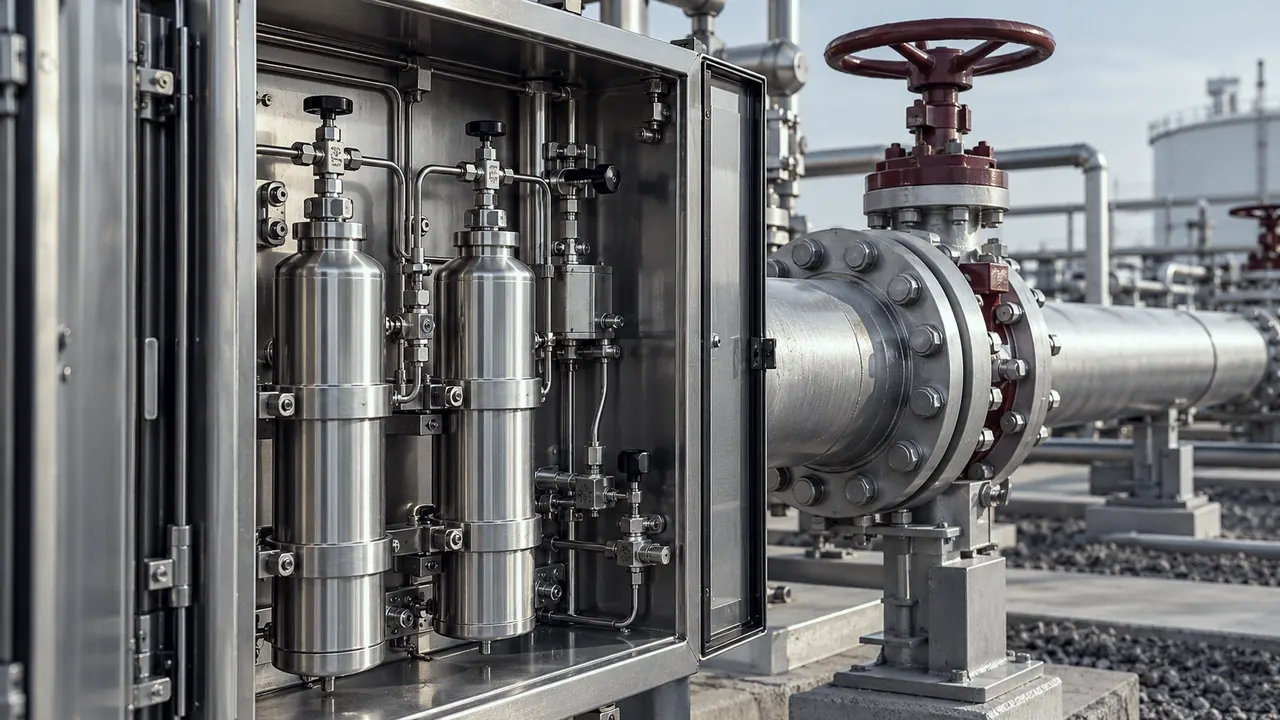
What we handle
- Supplier search limited to producers, refiners and title holders who pass our verification
- Grade and specification matching, including assay review for crude oil
- A price basis tied to a published benchmark or assessment, with the differential stated
- Loading window, nomination procedure and inspection agreed before contract
- Spot cargoes and term supply with fixed monthly liftings
What we need from you
- Product and specification
- Volume and contract length
- Delivery term and destination
- Company documents for verification
Products and specifications
We contract to recognised specifications, so quality can be tested by any independent laboratory.
| Product | Reference specification | Usual unit |
|---|---|---|
| Crude oil | Assay by grade: API gravity, sulphur and acidity | Barrels |
| Natural gas | Quality specification of the delivering pipeline | MMBtu |
| Diesel, ultra-low sulphur | EN 590 or ASTM D975 | Metric tonnes or barrels |
| Gasoline | EN 228 or ASTM D4814 | Metric tonnes or barrels |
| Jet fuel, Jet A-1 | ASTM D1655 or DEF STAN 91-091 | Metric tonnes or barrels |
| LNG | Composition and heating value set in the contract | MMBtu |
| LPG, propane and butane | ASTM D1835 | Metric tonnes |
Availability depends on supplier programs at the time of inquiry. Ask about products not listed here. Published standards: ASTM D975 (opens in a new tab), ASTM D4814 (opens in a new tab), ASTM D1655 (opens in a new tab), ASTM D1835 (opens in a new tab)
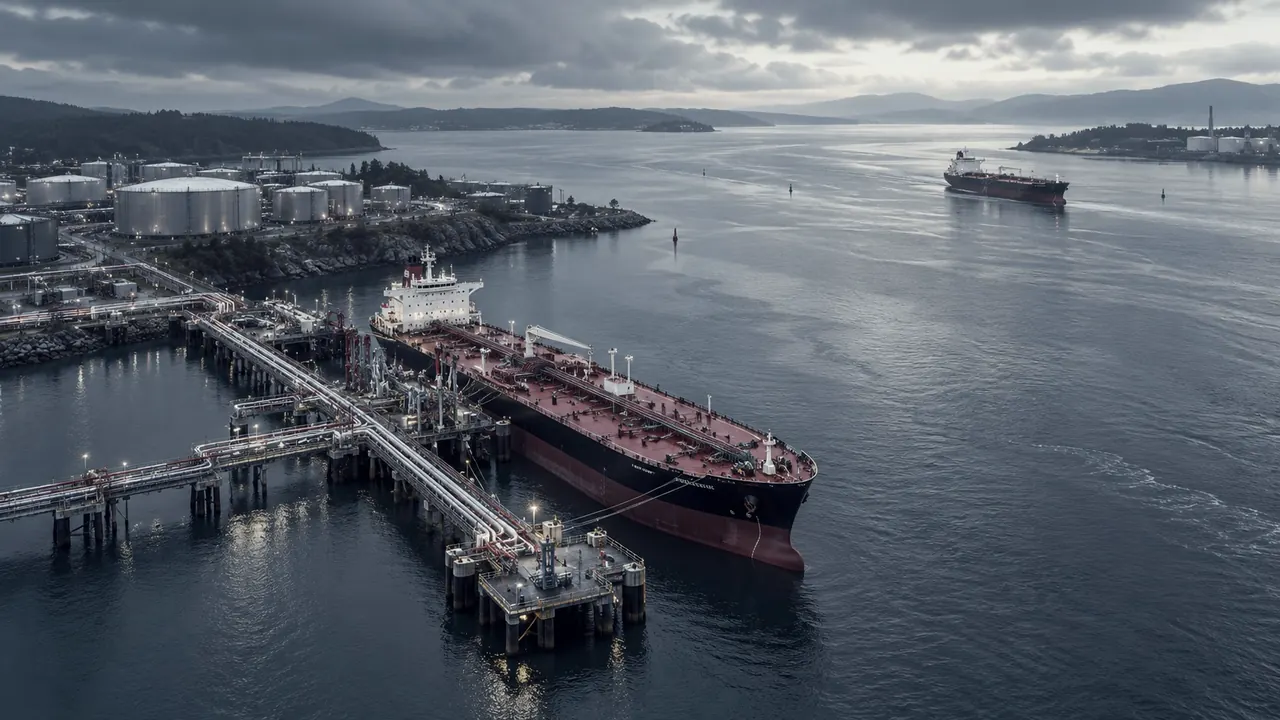
Market analysis
Before you commit to a purchase, we show you where the price comes from.
For each inquiry we set out the benchmark, the current differential for the grade and region, the freight for the route and the timing risks we see.
- Benchmark and differential history for the product and region
- Freight and storage cost estimates for the proposed route
- Supply and demand notes that affect loading windows
- Landed-cost comparison across delivery terms
This analysis supports a specific physical purchase. It is market information for commercial buyers, not investment advice.
Risk management
Most losses in physical trading come from four places: the counterparty, the price, the cargo and the schedule. We deal with each in the contract, before money moves.
- Counterparty
- Company registration, ownership, sanctions exposure and trade references are checked for both sides. Product and title are evidenced before payment.
- Price
- The benchmark and pricing dates are fixed in the contract. Where a client hedges, we align physical pricing with the hedge the client places through its own broker.
- Cargo
- Marine cargo insurance is placed to match the delivery term. Quantity and quality are certified by an independent inspector at loading.
- Schedule
- Where volumes allow, a supply program names a second supplier or loading point. Demurrage and force majeure are allocated in the contract.
Transportation and logistics
We coordinate carriers, terminals and inspectors so product moves on one schedule from the seller’s tank to the buyer’s delivery point.
Swipe sideways to see the whole diagram.
- Ocean tanker
- Pipeline
- Rail tank car
- Road tanker
- Storage and terminals
- Tank capacity and terminal slots are confirmed in writing before a cargo is nominated.
- Carrier vetting
- Vessels are screened for class, flag, age and inspection history before nomination.
- Documents
- Bill of lading, certificates of quality, quantity and origin, and the cargo manifest are checked against the payment terms before presentation.
- Combined routes
- Transport modes are combined where one mode cannot reach the delivery point.
Delivery terms
FOB, CFR, CIF and DAP under Incoterms 2020, chosen by who is better placed to arrange freight and insurance.
Swipe sideways to see the whole diagram.

Asset management
For clients who hold physical positions, we manage the commercial side of those assets: product in storage, tank leases and term supply contracts.
- Inventory reporting and stock reconciliation against terminal records
- Scheduling of deliveries into and out of leased tanks
- Renewal and renegotiation support for storage and supply contracts
- Sale of surplus or off-specification product
We manage physical assets under a written mandate from their owner. We do not manage securities or investment funds.
Questions from buyers
What should a first inquiry include?
Product, specification, quantity, delivery term and destination, plus your company name and country of registration. With those we can tell you in the first reply whether we can source it.
Which delivery terms do you work with?
FOB, CFR, CIF and DAP under Incoterms 2020. We recommend a term after looking at who is better placed to arrange freight and insurance.
How is quality verified?
An independent inspection company samples and tests the product at loading and issues certificates of quality and quantity. A buyer may appoint its own inspector at discharge.
Do you supply on term contracts?
Yes, where the supplier’s program allows. A term contract fixes monthly volumes and a price formula for the contract period.
Do you work with intermediaries?
Yes. Companies and individuals who introduce buyers to us can register as our mandate.
